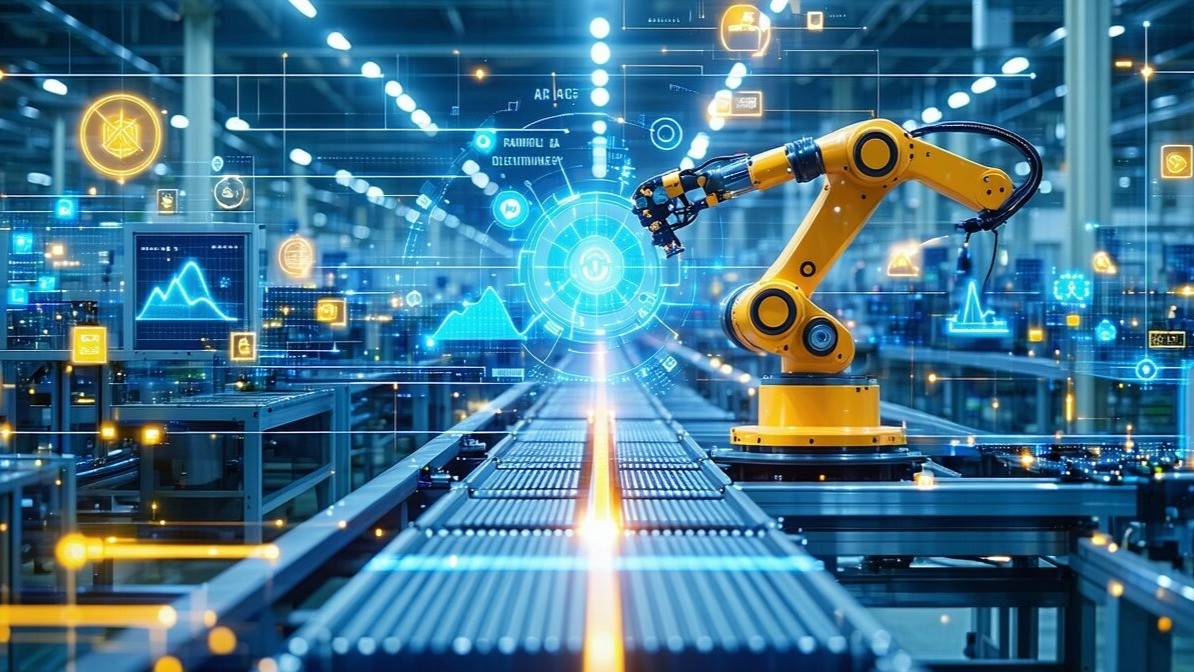
Modern manufacturing operations depend heavily on operational consistency, equipment reliability, and production accuracy to maintain productivity and profitability.
However, production lines frequently experience unexpected operational abnormalities that disrupt workflows, reduce efficiency, and increase manufacturing costs.
AI-powered anomaly detection helps manufacturers identify operational problems early and respond proactively before disruptions escalate.
Understanding Production Anomalies
Production anomalies are unusual operational conditions or abnormal manufacturing behaviors that differ from expected production performance.
Common manufacturing anomalies include:
- Machine malfunctions
- Abnormal vibration patterns
- Temperature fluctuations
- Quality defects
- Unexpected downtime
- Workflow disruptions
- Inventory inconsistencies
- Irregular energy consumption
Why Early Anomaly Detection Matters
Prevent Machine Failures
Early anomaly detection helps prevent unexpected equipment breakdowns.
Reduce Production Downtime
Quick operational response minimizes workflow disruptions.
Improve Product Quality
AI identifies production abnormalities before defects increase.
Enhance Workplace Safety
AI systems identify unsafe operational conditions proactively.
How AI Detects Production Anomalies
AI-powered systems monitor production lines continuously in real time by analyzing:
- Machine speed
- Equipment temperature
- Pressure levels
- Energy consumption
- Workflow activity
- Production output
Machine Learning algorithms learn normal operational behavior patterns and automatically identify unusual activities or operational deviations.
AI and Predictive Maintenance
Predictive maintenance is one of the most valuable applications of AI anomaly detection systems.
AI systems:
- Monitor machine conditions continuously
- Detect abnormal operational patterns
- Predict equipment failures before breakdowns occur
- Schedule maintenance proactively
This reduces machine downtime, lowers repair costs, and improves equipment reliability.
Improving Quality Control Through AI
AI-powered quality systems use:
- Computer vision inspection
- Image recognition
- Sensor monitoring
- Automated inspection systems
These technologies identify defects and inconsistencies faster and more accurately than traditional manual inspection methods.
AI and Smart Factory Integration
Modern Industry 4.0 factories rely on:
- Connected machines
- IoT sensors
- Cloud platforms
- Automated workflows
- Real-time monitoring systems
AI anomaly detection systems integrate with these technologies to create highly intelligent and responsive manufacturing environments.
Energy Efficiency Optimization
Production anomalies often increase energy waste through inefficient machine performance or unstable workflows.
AI systems help manufacturers:
- Monitor energy consumption continuously
- Identify abnormal power usage
- Detect inefficient machine behavior
- Reduce operational energy waste
This improves both operational efficiency and sustainability performance.
Improving Workforce Productivity
AI anomaly detection systems reduce the need for repetitive manual monitoring activities.
AI platforms provide:
- Instant operational alerts
- Intelligent recommendations
- Workflow visibility
- Operational analytics
Employees can focus more on process optimization, operational planning, and strategic improvements.
Reducing Operational Risks Through AI
Manufacturing operations face risks including:
- Unexpected equipment failures
- Production interruptions
- Workflow instability
- Defective products
- Safety incidents
AI anomaly detection reduces these risks through continuous operational monitoring and proactive issue identification.
AI and Continuous Process Improvement
AI systems continuously analyze manufacturing performance data to identify recurring inefficiencies and operational improvement opportunities.
Manufacturers can use AI insights to:
- Improve workflows
- Optimize machine performance
- Strengthen quality control
- Reduce operational waste
- Increase manufacturing efficiency
Future of AI in Manufacturing Innovation
Future AI-powered manufacturing systems may include:
- Autonomous production monitoring
- Self-correcting manufacturing systems
- AI-powered digital twins
- Advanced predictive analytics
- Autonomous maintenance coordination
These technologies will create highly adaptive and intelligent smart factory ecosystems.
Real-Time Operational Visibility
AI monitoring systems provide live visibility into:
- Production performance
- Machine conditions
- Workflow activity
- Operational alerts
- Quality metrics
This improves operational awareness and accelerates manufacturing decision-making.
Financial Benefits of AI Anomaly Detection
- Reduced downtime costs
- Lower maintenance expenses
- Improved product quality
- Higher operational productivity
- Reduced manufacturing waste
Challenges in AI Anomaly Detection Implementation
Manufacturers implementing AI anomaly detection may face:
- Data integration complexity
- Initial technology investment
- Employee training requirements
- Cybersecurity considerations
Despite these challenges, AI anomaly detection delivers significant long-term operational value.
Best Practices for AI Manufacturing Success
- Use reliable operational data
- Monitor AI system performance continuously
- Integrate AI with manufacturing workflows
- Train operational teams effectively
- Focus on high-impact production areas
Conclusion
AI-powered anomaly detection systems are transforming manufacturing by improving operational visibility, reducing downtime, strengthening predictive maintenance, and improving production stability.
As Industry 4.0 technologies continue evolving, AI-driven operational intelligence will become increasingly essential for maintaining manufacturing competitiveness and operational excellence.
Spider Asia develops AI manufacturing platforms, predictive monitoring systems, workflow automation technologies, and smart Industry 4.0 solutions for modern industrial operations.
Build Smarter Manufacturing Operations with Spider Asia
Discover AI-powered monitoring systems that improve operational visibility, reduce downtime, and optimize smart manufacturing performance.
Contact Our Team