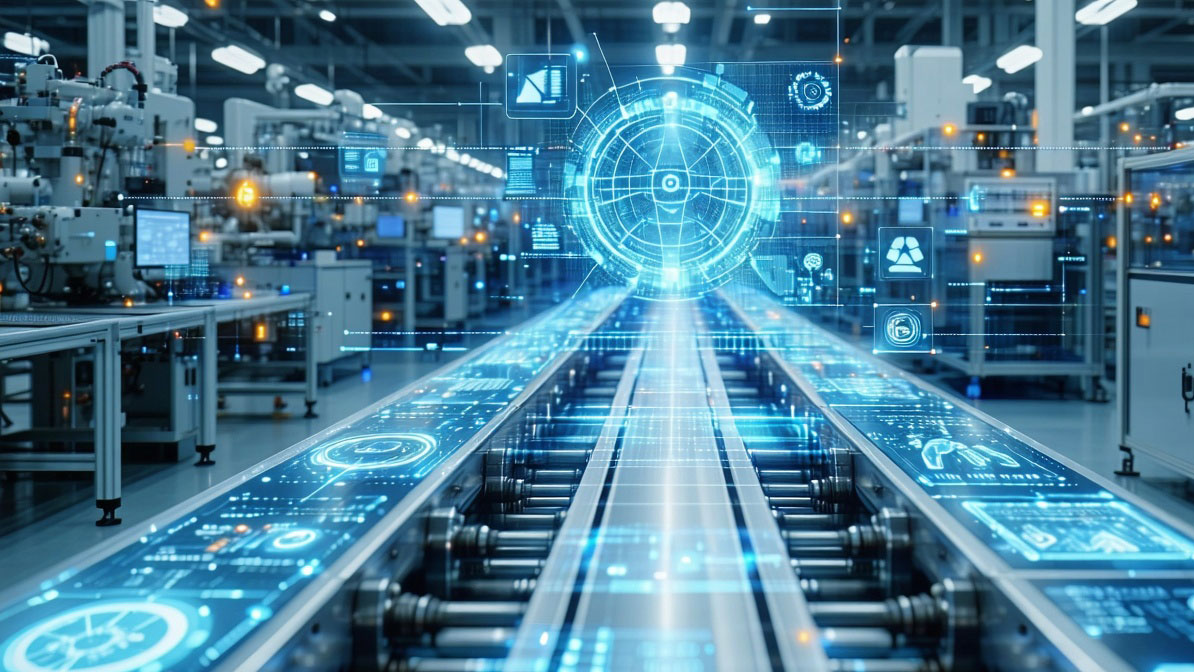
Modern manufacturing environments rely on smooth production flow, optimized workflows, and operational consistency to maintain productivity and profitability.
However, even highly automated factories experience production bottlenecks that slow workflows, reduce output, and increase operational costs.
AI-powered manufacturing systems help factories identify bottlenecks instantly and optimize production flow before delays impact overall operations.
Understanding Production Bottlenecks
A bottleneck is any stage in the manufacturing process that limits overall production capacity or slows workflow efficiency.
Even when other production stages operate efficiently, one delayed process can reduce the performance of the entire manufacturing system.
Common bottleneck causes include:
- Slow machine cycles
- Machine breakdowns
- Operator inefficiencies
- Material shortages
- Quality inspection delays
- Poor workflow coordination
- Production scheduling issues
Why Traditional Bottleneck Detection Fails
Traditional bottleneck identification often relies on:
- Manual observation
- Spreadsheet reporting
- Supervisor experience
- Historical production analysis
These methods create major operational limitations including delayed visibility, incomplete analysis, and reactive problem-solving.
How AI Identifies Bottlenecks in Real Time
Continuous Data Collection
AI systems collect live production data from machines, sensors, and operators.
Pattern Recognition
Machine Learning identifies hidden workflow inefficiencies and abnormal patterns.
Flow Analysis
AI evaluates the entire production line to locate operational slow points.
Predictive Insights
AI predicts future bottlenecks before they impact production performance.
Real-Time Production Visibility
AI-powered monitoring systems continuously analyze:
- Machine cycle times
- Production output
- Machine utilization
- Operator performance
- Workflow activity
- Material movement
This creates full operational visibility across manufacturing environments.
Benefits of AI Bottleneck Detection
Faster Problem Detection
AI systems identify workflow disruptions immediately, allowing manufacturers to respond quickly.
Improved Productivity
Removing bottlenecks improves production throughput and operational efficiency.
Reduced Downtime
AI detects operational abnormalities before they escalate into major disruptions.
Better Resource Allocation
Manufacturers can optimize labor, machine utilization, and workflow coordination based on AI insights.
Higher OEE Performance
Improved production flow strengthens Overall Equipment Effectiveness across manufacturing operations.
Types of Bottlenecks AI Can Detect
Machine-Based Bottlenecks
AI detects equipment performance issues, abnormal cycle times, and machine inefficiencies.
Operator-Based Bottlenecks
AI identifies workflow inefficiencies caused by inconsistent operational performance or training gaps.
Material Flow Bottlenecks
AI systems monitor inventory movement and identify supply chain or material delays affecting production.
Process Design Bottlenecks
Workflow analysis identifies inefficient layouts and operational process limitations.
AI Technologies Behind Bottleneck Detection
Machine Learning
Machine Learning algorithms continuously improve production analysis through operational data learning.
IoT Integration
IoT sensors provide real-time machine and operational data streams.
Computer Vision
AI-powered vision systems monitor workflows and production activity visually.
Predictive Analytics
Predictive systems forecast future workflow disruptions and operational risks.
How AI Improves Production Efficiency
AI systems improve manufacturing operations by:
- Optimizing machine scheduling
- Balancing production workloads
- Reducing idle time
- Improving workflow coordination
- Strengthening quality control
This creates smoother and more efficient manufacturing environments.
Real-World Manufacturing Benefits
Manufacturers implementing AI-based bottleneck detection systems often experience:
- Reduced production delays
- Higher production throughput
- Improved machine utilization
- Lower operational costs
- Stronger workflow coordination
Challenges AI Helps Solve
- Lack of production visibility
- Delayed operational responses
- Hidden workflow inefficiencies
- Complex production coordination
- Unpredictable production delays
The Future of AI in Production Optimization
Future manufacturing environments will increasingly rely on:
- Autonomous production monitoring
- AI-driven workflow optimization
- Self-correcting manufacturing systems
- Digital twin production simulations
- Zero-downtime smart factories
AI will continue transforming production management and operational efficiency worldwide.
How Spider Asia Supports Smart Manufacturing
Spider Asia develops AI-powered manufacturing systems that help businesses:
- Identify production bottlenecks
- Improve operational visibility
- Optimize production workflows
- Reduce downtime
- Build Industry 4.0-ready factories
Conclusion
AI-powered bottleneck detection systems are transforming manufacturing operations by improving workflow visibility, reducing inefficiencies, and optimizing production performance in real time.
As Industry 4.0 technologies continue evolving, AI-driven production optimization will become increasingly essential for manufacturers seeking operational efficiency, productivity growth, and long-term competitiveness.
Spider Asia helps manufacturers build intelligent, connected, and highly efficient smart factory ecosystems using AI-powered operational technologies and Industry 4.0 manufacturing solutions.
Optimize Production Efficiency with Spider Asia
Discover AI-powered manufacturing systems that identify bottlenecks, improve workflow visibility, and strengthen smart factory performance.
Contact Our Team