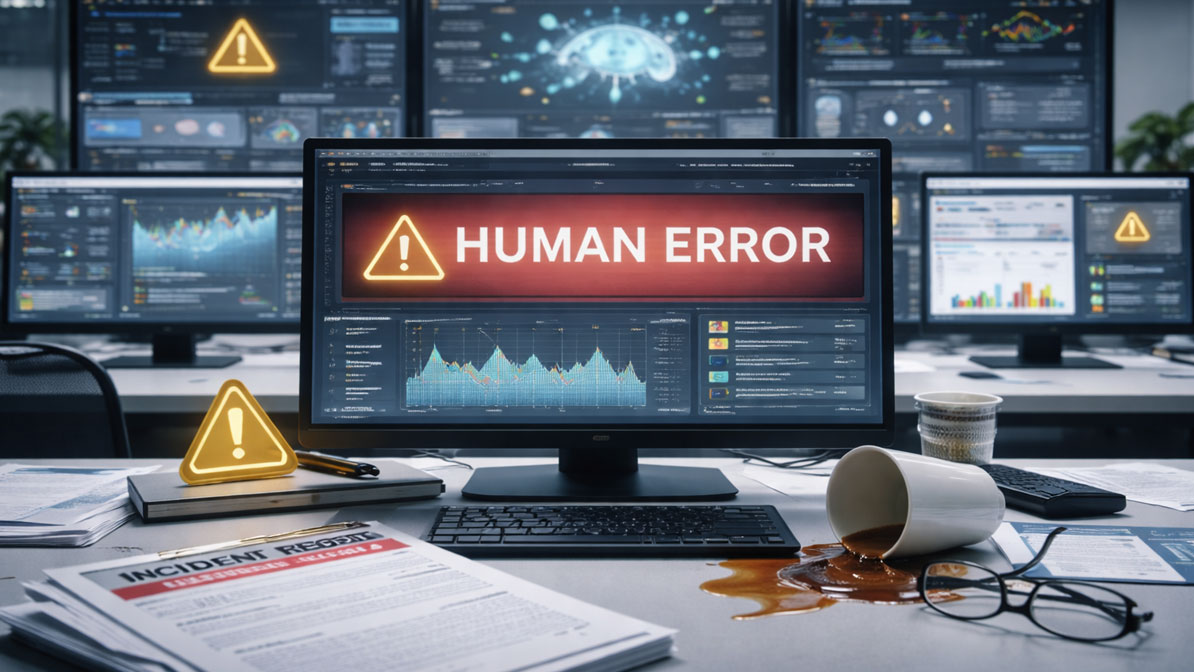
Modern manufacturing environments demand high operational accuracy, consistent product quality, and efficient production workflows to remain competitive.
However, human errors continue to create operational disruptions, quality defects, production delays, and increased manufacturing costs across many industries.
AI-driven manufacturing systems help businesses reduce operational errors, improve consistency, and build smarter industrial environments.
Understanding Human Errors in Manufacturing
Human errors are operational mistakes or incorrect actions that negatively affect manufacturing performance, production quality, and workflow efficiency.
Common manufacturing errors include:
- Incorrect machine settings
- Manual data entry mistakes
- Assembly process errors
- Missed quality defects
- Inventory miscalculations
- Delayed maintenance responses
- Workflow coordination problems
Why Human Errors Create Major Manufacturing Problems
Reduced Product Quality
Operational mistakes increase defects, rework, and quality inconsistencies.
Higher Operational Costs
Errors increase material waste, downtime, and labor expenses.
Lower Productivity
Workflow disruptions reduce manufacturing efficiency and output.
Safety Risks
Incorrect operations may create dangerous industrial environments.
The Role of AI in Manufacturing
Artificial Intelligence helps manufacturers analyze operational data, automate workflows, identify abnormalities, and support operational decision-making.
AI technologies used in manufacturing include:
- Machine learning systems
- Predictive analytics
- Computer vision inspection
- Smart automation
- AI-powered quality control
- Predictive maintenance platforms
How AI Reduces Human Errors
Automating Repetitive Tasks
Many operational errors occur during repetitive manual activities.
AI automation reduces mistakes by:
- Automating data entry
- Standardizing workflows
- Reducing manual calculations
- Improving operational consistency
Real-Time Monitoring
AI systems continuously monitor manufacturing operations in real time.
These systems can:
- Detect process abnormalities
- Identify operational deviations
- Alert operators immediately
- Prevent operational disruptions
Intelligent Decision Support
AI-powered systems help employees make better operational decisions through real-time analytics and predictive recommendations.
AI can provide:
- Production recommendations
- Quality alerts
- Inventory insights
- Maintenance scheduling support
AI and Quality Control
AI-powered quality systems use computer vision, image recognition, and automated inspection technologies to improve manufacturing accuracy.
Benefits include:
- Faster inspections
- Higher defect detection accuracy
- Improved product consistency
- Reduced manual inspection errors
Predictive Maintenance and Error Prevention
Machine failures often result from unnoticed equipment problems or delayed maintenance.
AI predictive maintenance systems:
- Monitor machine performance continuously
- Identify abnormal equipment behavior
- Predict failures before breakdowns occur
- Automate maintenance scheduling
This reduces downtime and maintenance-related operational errors.
AI and Inventory Management
Inventory inaccuracies can create production delays and supply chain disruptions.
AI systems improve inventory accuracy by:
- Tracking inventory in real time
- Predicting material demand
- Reducing stock miscalculations
- Automating inventory updates
Workflow Automation and Operational Accuracy
AI-powered workflow automation improves manufacturing consistency through:
- Standardized operational procedures
- Automated reporting
- Improved workflow coordination
- Reduced manual approvals
Automation minimizes operational variation and human inconsistencies.
AI and Production Planning
AI systems optimize production planning by:
- Forecasting demand accurately
- Improving machine utilization
- Reducing production bottlenecks
- Optimizing workforce allocation
Better planning improves manufacturing stability and operational efficiency.
Supporting Employees Through AI
AI technologies support employees rather than fully replacing human expertise.
AI systems help workers:
- Access real-time operational data
- Follow standardized workflows
- Receive operational alerts
- Make faster and more accurate decisions
Real-Time Operational Visibility
AI manufacturing platforms provide centralized visibility into:
- Production performance
- Workflow status
- Machine utilization
- Quality metrics
- Inventory levels
Real-time visibility allows manufacturers to identify and resolve operational problems quickly.
Financial Benefits of AI Error Reduction
- Lower operational costs
- Reduced production waste
- Improved productivity
- Better product quality
- Higher profitability
Challenges in AI Implementation
Manufacturers implementing AI systems may face:
- Initial technology investment
- Data quality requirements
- Employee training needs
- Integration complexity
Despite these challenges, AI provides substantial long-term operational benefits.
Best Practices for AI Manufacturing Success
- Start with high-impact operational areas
- Use reliable operational data
- Train employees effectively
- Monitor AI performance continuously
- Integrate AI with operational workflows
The Future of AI in Manufacturing
Future smart factories will use advanced machine learning, intelligent robotics, autonomous manufacturing systems, and predictive analytics to improve operational accuracy even further.
AI-driven manufacturing systems will continue reducing operational risks while supporting Industry 4.0 transformation worldwide.
Conclusion
AI is transforming manufacturing operations by reducing human errors, improving operational consistency, strengthening quality control, and optimizing workflow efficiency.
As manufacturing industries continue embracing Industry 4.0 technologies, AI-driven systems will become increasingly important for improving productivity, reducing operational risks, and maintaining global competitiveness.
Spider Asia develops AI-powered manufacturing systems, predictive analytics platforms, workflow automation solutions, and smart Industry 4.0 technologies for modern industrial operations.
Build Smarter Manufacturing Operations with Spider Asia
Discover AI-powered manufacturing solutions that improve operational accuracy, reduce defects, and optimize production workflows.
Contact Our Team