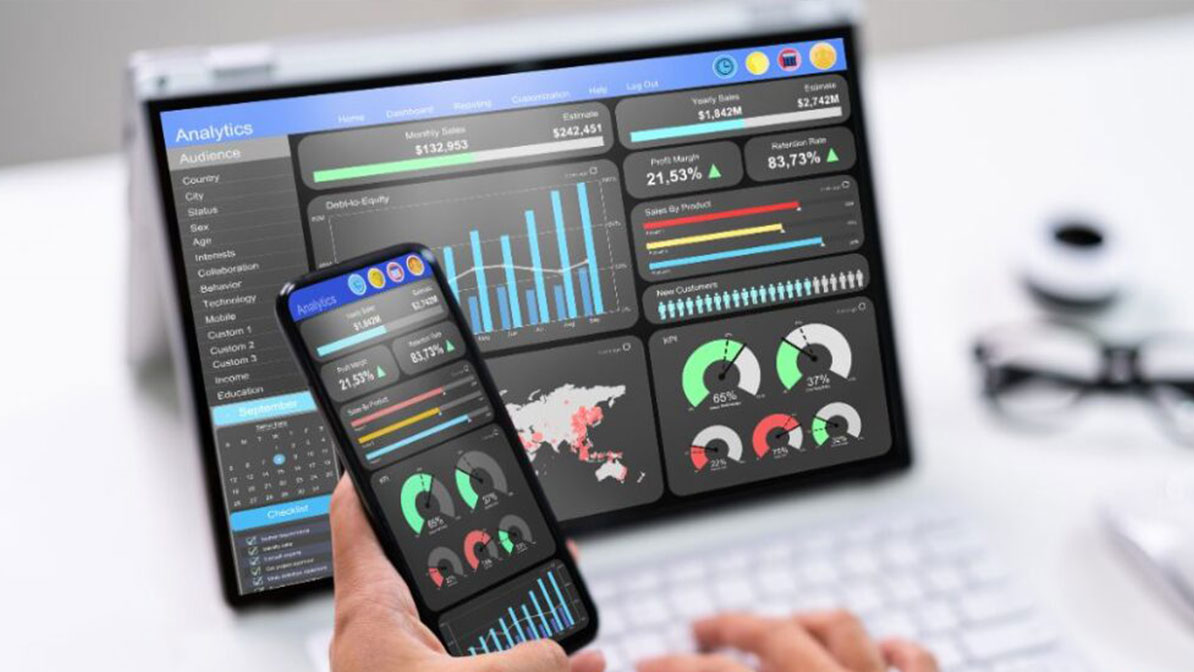
Modern manufacturing operations depend heavily on speed, operational visibility, and data-driven decision-making to maintain productivity and competitiveness.
Traditional reporting systems often fail to provide the real-time intelligence required for modern Industry 4.0 production environments.
Real-time dashboards transform manufacturing operations by converting live production data into actionable operational intelligence.
Why Manufacturing Decisions Must Be Faster Than Ever
Global competition, rising operational costs, supply chain disruptions, and increasing customer expectations are forcing factories to become more agile and data-driven.
Manual spreadsheets, delayed reports, and disconnected systems can no longer support modern manufacturing complexity.
What Are Real-Time Manufacturing Dashboards?
Real-time manufacturing dashboards are centralized digital interfaces that display live operational information collected from multiple factory systems.
Common dashboard metrics include:
- Machine status monitoring
- Production output tracking
- Downtime visibility
- Inventory monitoring
- Operator performance
- Maintenance alerts
- Quality metrics
- Energy consumption analytics
Why Traditional Reporting Systems Fail
Traditional reporting systems create operational inefficiencies because manufacturing data changes too quickly for manual processes.
- Delayed operational visibility
- Manual reporting errors
- Disconnected departmental systems
- Slow issue escalation
- Limited production transparency
As factories become more connected and automated, these limitations become increasingly expensive.
How Real-Time Dashboards Improve Manufacturing Decisions
Instant Operational Visibility
Managers monitor live production conditions, machine performance, and operational status instantly.
Faster Problem Detection
Operational disruptions are identified immediately before they escalate.
Better Production Planning
Accurate real-time data improves scheduling and workflow coordination.
Centralized Communication
Dashboards eliminate information silos across departments.
Role of Dashboards in Production Monitoring
Production dashboards provide complete visibility into manufacturing performance.
- Production line efficiency
- Machine utilization
- Cycle time analysis
- Operator productivity
- Output target tracking
- Production bottlenecks
Managers can optimize production operations using live operational insights.
How Real-Time Dashboards Reduce Downtime
Machine downtime is one of the largest hidden manufacturing costs.
Real-time dashboards reduce downtime through:
- Instant machine alerts
- Downtime tracking
- Machine health monitoring
- Predictive maintenance support
- Faster maintenance response
This improves Overall Equipment Effectiveness (OEE) and operational reliability.
Inventory Management Benefits
Inventory visibility improves significantly when connected to real-time dashboards.
- Live inventory monitoring
- Automated stock alerts
- Reduced overstocking
- Improved procurement coordination
- Better material planning
How Dashboards Improve Quality Control
Quality management depends heavily on operational transparency and rapid issue detection.
- Faster defect detection
- Production consistency monitoring
- Quality trend analysis
- Improved traceability
- Reduced waste and rework
Manufacturers can correct issues before they affect larger production volumes.
Maintenance Management and Predictive Analytics
Maintenance teams rely on operational visibility to improve equipment reliability.
Maintenance dashboards provide:
- Machine condition monitoring
- Maintenance scheduling
- Downtime analytics
- Predictive maintenance insights
- Asset performance visibility
This reduces unexpected breakdowns and extends machine lifespan.
Role of AI in Real-Time Dashboards
Artificial Intelligence is transforming manufacturing dashboards into predictive operational systems.
AI-powered dashboards can:
- Predict machine failures
- Identify production bottlenecks
- Forecast inventory shortages
- Detect abnormal machine behavior
- Recommend workflow improvements
Cloud-Based Dashboards and Remote Factory Management
Cloud technology allows manufacturers to access operational dashboards securely from anywhere.
- Remote production monitoring
- Multi-site operational visibility
- Real-time collaboration
- Scalable dashboard infrastructure
- Reduced hardware dependency
This is especially valuable for manufacturers managing multiple production facilities.
How Dashboards Eliminate Department Silos
Many factories struggle with disconnected departments operating through isolated systems.
Real-time dashboards centralize operational information across:
- Production
- Maintenance
- Inventory management
- Quality control
- Procurement
- Factory management
This improves communication, coordination, and operational alignment.
Key Features of Effective Manufacturing Dashboards
| Feature | Operational Benefit |
|---|---|
| Real-Time Data Updates | Instant production visibility |
| Machine Monitoring | Reduced downtime |
| Custom KPI Tracking | Improved performance analysis |
| Cloud Access | Remote factory management |
| AI Analytics | Predictive operational insights |
| Mobile Accessibility | Faster decision-making anywhere |
| Automated Alerts | Immediate issue response |
Financial Impact of Real-Time Dashboards
Manufacturers implementing dashboard systems often experience significant operational improvements.
- Reduced downtime costs
- Improved production efficiency
- Lower inventory waste
- Reduced maintenance expenses
- Higher machine utilization
- Faster operational response
Challenges of Dashboard Implementation
Dashboard implementation may involve several operational challenges including:
- Legacy system integration
- Data standardization
- Employee training
- Infrastructure upgrades
- IoT connectivity requirements
With proper planning and expert support, manufacturers can overcome these challenges successfully.
The Future of Manufacturing Dashboards
Industry 4.0 technologies are making manufacturing dashboards increasingly intelligent and automated.
Future capabilities may include:
- Autonomous operational recommendations
- Advanced AI forecasting
- Digital twin integration
- Self-optimizing production systems
- Fully connected smart factories
Dashboards will continue evolving into centralized operational control systems for smart manufacturing environments.
How Spider Asia Supports Smart Manufacturing
Spider Asia develops advanced manufacturing dashboard solutions designed to improve operational visibility, workflow coordination, and manufacturing decision-making.
- Real-time production monitoring systems
- Machine monitoring dashboards
- Cloud-based factory analytics
- AI-powered operational intelligence
- Inventory and procurement visibility systems
- Predictive maintenance dashboards
Conclusion
Real-time dashboards are becoming essential tools for modern manufacturing operations because they provide instant operational visibility, predictive analytics, machine intelligence, and centralized factory control.
Manufacturers implementing smart dashboard systems improve decision-making speed, reduce downtime, optimize production workflows, and strengthen long-term competitiveness.
Spider Asia helps manufacturers build intelligent dashboard ecosystems using cloud technologies, AI-powered analytics, and Industry 4.0 smart manufacturing platforms.