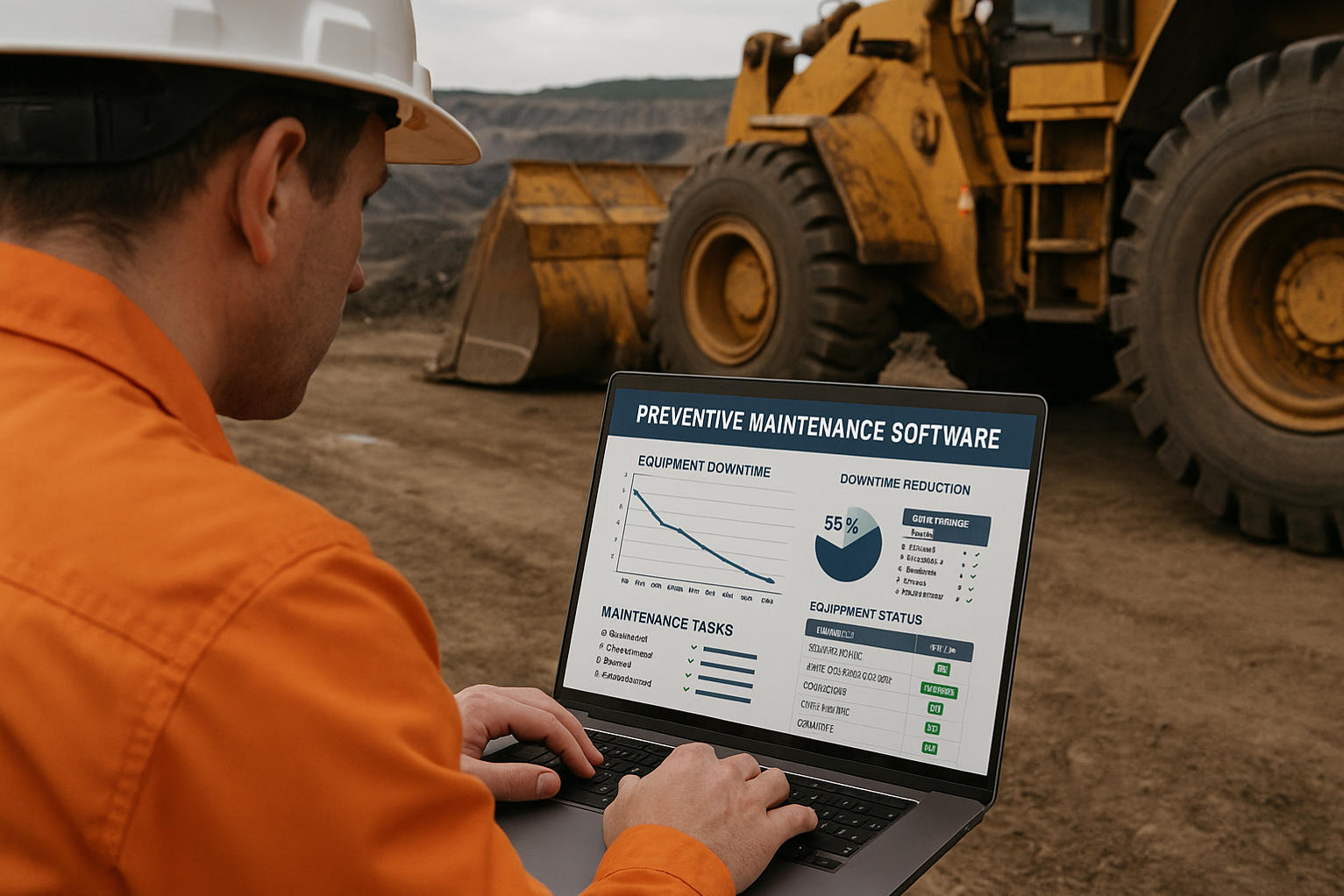
Machine uptime directly impacts manufacturing productivity, profitability, and customer satisfaction. Even short periods of unexpected downtime can disrupt production schedules, delay shipments, and increase operational costs.
Traditional maintenance systems based on spreadsheets and manual tracking can no longer support the complexity of modern manufacturing operations.
Maintenance management apps are becoming the operational backbone of smart factories and zero-downtime manufacturing strategies.
Understanding Machine Downtime
Machine downtime refers to periods when manufacturing equipment becomes unavailable due to breakdowns, servicing, maintenance, or operational disruptions.
- Planned Downtime: Scheduled maintenance and upgrades
- Unplanned Downtime: Unexpected machine failures and operational disruptions
Unplanned downtime is especially costly because it impacts production output, labor efficiency, and delivery schedules.
Why Traditional Maintenance Systems Fail
- Reactive maintenance instead of preventive planning
- No real-time machine monitoring
- Manual work order tracking errors
- Missed maintenance schedules
- No predictive failure insights
These inefficiencies increase breakdown frequency and reduce operational reliability across production lines.
What Are Maintenance Management Apps?
Maintenance management apps, also known as CMMS platforms, are digital systems that automate and centralize maintenance operations.
- Work order management
- Preventive maintenance scheduling
- Equipment tracking
- Predictive analytics dashboards
- Real-time alerts and notifications
- Mobile technician access
These systems streamline maintenance workflows while improving machine reliability and operational visibility.
How Maintenance Apps Reduce Downtime
Automated Maintenance Scheduling
Maintenance tasks are automatically generated based on machine usage, runtime, and operational conditions.
Real-Time Machine Monitoring
IoT sensors continuously monitor vibration, temperature, pressure, and machine performance data.
Predictive Maintenance
AI systems analyze operational patterns to predict failures before equipment breaks down.
Instant Work Order Management
Systems automatically assign maintenance tasks to technicians, reducing response times.
Key Benefits of Maintenance Management Apps
Reduced Unplanned Downtime
Early issue detection minimizes unexpected breakdowns and production interruptions.
Improved Equipment Lifespan
Timely maintenance extends the operational life of manufacturing machinery.
Lower Maintenance Costs
Preventing major failures reduces expensive repairs and emergency maintenance expenses.
Better Resource Allocation
Maintenance teams can prioritize tasks based on urgency and machine criticality.
Higher Production Efficiency
Production lines operate more consistently with fewer interruptions and delays.
Role of IoT and AI Technologies
Modern maintenance management systems rely heavily on IoT sensors and AI analytics to improve predictive maintenance accuracy.
Sensors continuously collect operational data while AI algorithms analyze patterns and detect anomalies before failures occur.
- Predict machine failures
- Optimize maintenance schedules
- Detect abnormal operating conditions
- Improve maintenance planning accuracy
Real-Time Alerts and Notifications
Maintenance apps instantly notify teams when abnormal machine conditions are detected.
These alerts help technicians respond immediately before small issues escalate into critical failures.
Integration with Manufacturing Systems
CMMS platforms integrate with ERP systems, MES software, and production dashboards to align maintenance operations with manufacturing schedules.
This integration improves coordination between maintenance teams and production departments.
Data-Driven Maintenance Decisions
Maintenance apps generate reports and operational analytics that help managers improve equipment strategies and optimize long-term asset investments.
Implementation Challenges
- Initial software and infrastructure investment
- Integration with legacy equipment
- Employee training requirements
- Data migration and cybersecurity concerns
Although implementation requires planning, the long-term efficiency and uptime improvements provide substantial operational value.
The Future of Maintenance Management
Future maintenance systems will become increasingly autonomous, with machines capable of self-monitoring, self-diagnosing, and triggering automated maintenance workflows.
Digital twins, AI robotics, and predictive analytics will continue driving manufacturing toward near-zero downtime environments.
Conclusion
Maintenance management apps are transforming manufacturing by reducing downtime, improving equipment reliability, and enabling predictive maintenance operations.
Manufacturers adopting digital maintenance systems gain operational efficiency, lower costs, and stronger long-term production performance.
Spider Asia helps manufacturers implement intelligent maintenance platforms that support smart factory operations and Industry 4.0 transformation initiatives.