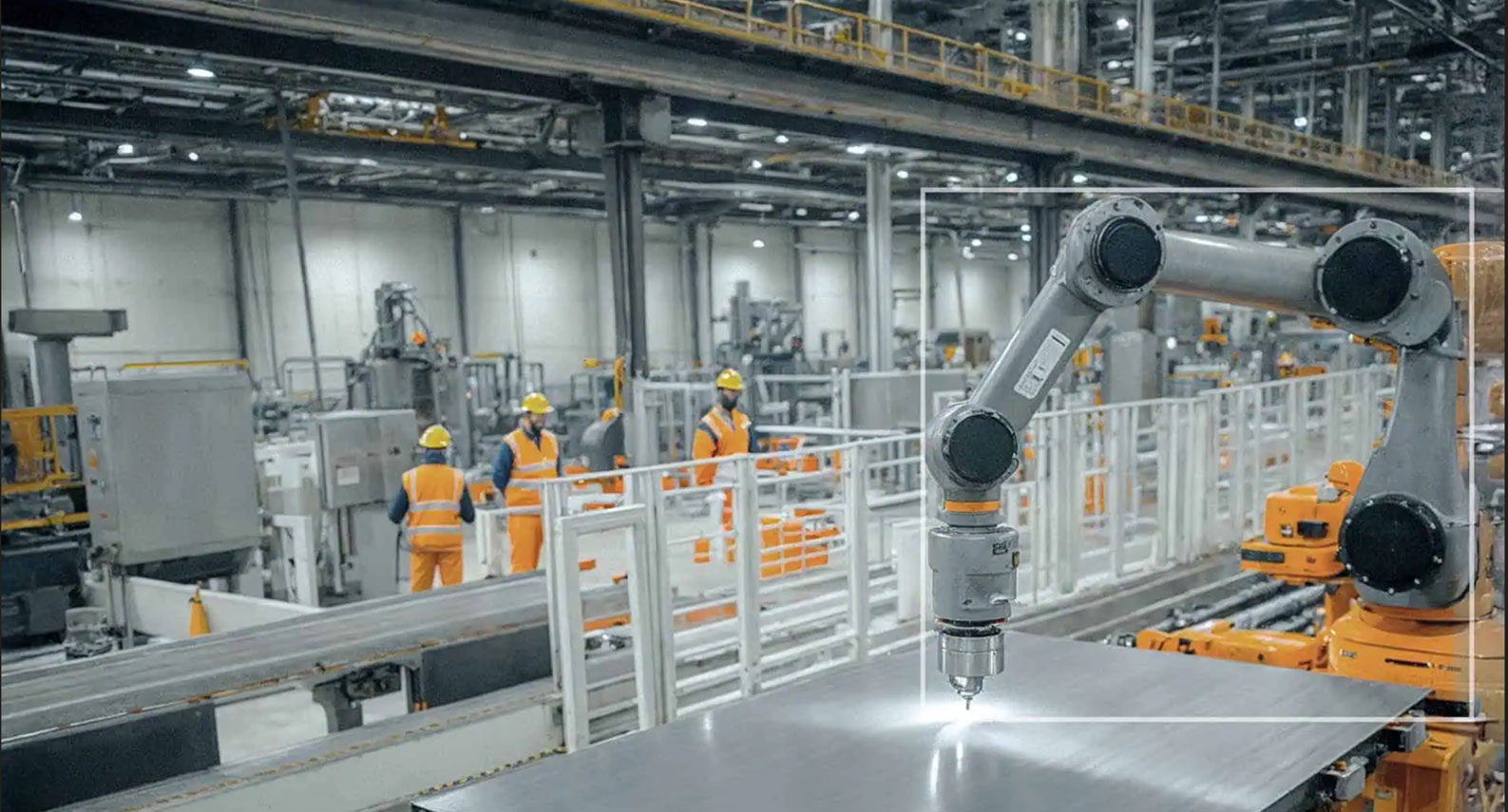
Manufacturing operations today rely heavily on machine reliability, production efficiency, and real-time operational visibility. Every unexpected breakdown directly impacts production schedules, profitability, and customer satisfaction.
Traditional maintenance tracking methods using paper logs and spreadsheets are no longer sufficient for modern smart factories that demand instant insights and automated maintenance workflows.
Digitized breakdown tracking transforms maintenance operations from reactive troubleshooting into intelligent, data-driven factory management.
Understanding Machine Breakdown Tracking
Machine breakdown tracking involves recording, monitoring, and analyzing equipment failures within manufacturing environments.
- Breakdown occurrence times
- Machine identification details
- Failure causes
- Downtime duration
- Repair actions performed
- Root cause analysis
This data plays a critical role in improving maintenance planning, operational efficiency, and long-term equipment performance.
Problems with Traditional Breakdown Tracking
Manual maintenance tracking systems create operational limitations that slow production and increase maintenance inefficiencies.
- Delayed reporting of failures
- Incomplete maintenance records
- Human errors in documentation
- No centralized visibility for management
- Difficulty identifying recurring failures
As factories become more automated, these outdated systems reduce operational agility and maintenance responsiveness.
What Is Digital Breakdown Tracking?
CMMS Platforms
Centralized maintenance systems manage breakdown records, repairs, and maintenance schedules.
IoT Monitoring
Connected sensors continuously monitor machine performance and failure indicators.
Real-Time Alerts
Automated notifications instantly inform maintenance teams about equipment failures.
Analytics Dashboards
Managers gain live visibility into downtime trends and maintenance KPIs.
How Digital Systems Reduce Downtime
Digital maintenance systems significantly reduce machine downtime through automation and intelligent monitoring.
- Instant failure detection
- Faster maintenance response times
- Automated escalation workflows
- Improved repair coordination
- Predictive maintenance planning
This helps manufacturers maintain consistent production flow and minimize operational interruptions.
Role of IoT in Maintenance Tracking
IoT sensors continuously collect machine performance data including vibration, temperature, pressure, and energy consumption.
These sensors help maintenance teams identify abnormalities before machines experience major failures.
AI and Predictive Analytics
Artificial intelligence enhances breakdown tracking by analyzing historical maintenance records and operational trends.
Machine learning systems can predict:
- Potential equipment failures
- Maintenance requirements
- Recurring breakdown patterns
- Machine performance degradation
This enables proactive maintenance strategies that prevent costly production stoppages.
Integration with Smart Manufacturing
Digital maintenance platforms integrate with ERP systems, MES platforms, production dashboards, and Industry 4.0 ecosystems.
Connected systems improve communication between maintenance teams, operators, and management while enabling centralized factory monitoring.
Real-Time Maintenance Dashboards
Modern maintenance dashboards provide live operational insights including:
- Machine health status
- Downtime analytics
- Failure frequency reports
- Maintenance KPIs
- Asset performance trends
These dashboards improve visibility and support faster operational decisions.
Industry Applications
- Automotive: Robotic assembly maintenance tracking
- Electronics: SMT equipment downtime analysis
- Food Processing: Packaging line monitoring
- Pharmaceutical: Compliance-based maintenance management
- Energy: Turbine and generator reliability monitoring
Implementation Challenges
- Initial software and infrastructure investment
- Integration with older machinery
- Employee training requirements
- Cybersecurity and data management concerns
Despite these challenges, digital maintenance systems deliver long-term operational savings and improved manufacturing reliability.
The Future of Machine Breakdown Tracking
Future manufacturing environments will rely heavily on autonomous maintenance systems powered by AI, digital twins, and advanced robotics.
Machines will increasingly self-diagnose problems and automatically schedule maintenance actions before failures impact production.
Conclusion
Digitizing machine breakdown tracking is essential for manufacturers seeking improved operational efficiency, reduced downtime, and smarter maintenance management.
Digital systems provide real-time visibility, predictive analytics, and connected maintenance workflows that support Industry 4.0 transformation and long-term manufacturing competitiveness.
Spider Asia helps manufacturers implement intelligent maintenance systems that modernize factory operations and improve equipment reliability.