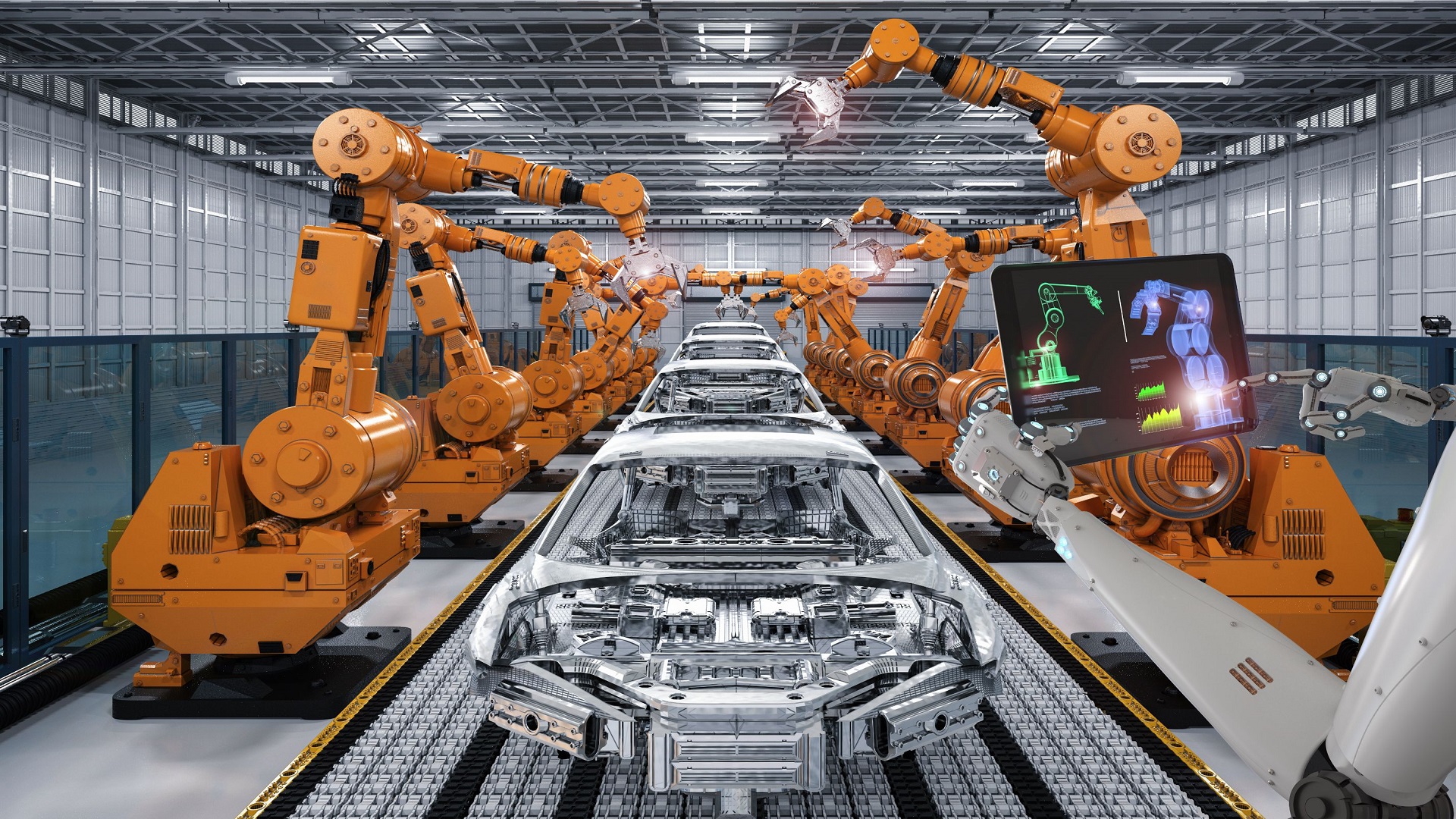
In today’s fast-paced manufacturing environment, efficiency is no longer optional—it is essential. Manufacturers are under constant pressure to reduce downtime, improve productivity, maintain quality standards, and meet customer demands faster than ever before.
Yet many manufacturing teams still rely on manual work order processes that slow operations, create communication gaps, and increase the risk of costly equipment failures.
“Manufacturing leaders who automate early gain a competitive advantage through speed, visibility, and operational precision.”
What Is Work Order Automation?
Work order automation refers to the use of intelligent digital systems to automatically create, assign, track, and complete work orders inside manufacturing environments.
Instead of depending on paperwork, spreadsheets, emails, or disconnected communication channels, automated systems centralize workflows into a streamlined operational platform.
- Equipment maintenance scheduling
- Machine inspection management
- Production task coordination
- Inventory-related requests
- Quality control workflows
- Safety and compliance inspections
Why Manual Work Order Systems Fail
Traditional work order management methods can no longer support modern manufacturing demands. As production lines become more complex and customer expectations increase, manual systems create bottlenecks that impact productivity and profitability.
Delayed Response Times
Paper-based maintenance requests slow down issue resolution and increase machine downtime.
Poor Communication
Disconnected teams often face duplicated work, incomplete repairs, and workflow confusion.
Limited Visibility
Managers struggle to monitor work order progress and equipment performance in real time.
Human Errors
Manual data entry increases the risk of incorrect records and missed maintenance schedules.
How Work Order Automation Transforms Manufacturing
Faster Work Order Creation
Automated systems instantly generate work orders based on predefined triggers such as equipment alerts, maintenance schedules, production issues, or IoT sensor notifications.
Smarter Task Assignment
Tasks can automatically be assigned based on technician availability, skill sets, priority levels, and department requirements.
Improved Preventive Maintenance
Preventive maintenance schedules are generated automatically based on operating hours, calendar intervals, or machine performance conditions.
Real-Time Operational Visibility
Managers gain access to dashboards that display work order progress, maintenance history, downtime trends, and technician performance instantly.
Reduced Equipment Downtime
Automation enables predictive maintenance strategies that help manufacturers identify problems before machines fail completely.
Key Features of Modern Automation Platforms
Industries Benefiting from Work Order Automation
Work order automation is rapidly being adopted across multiple manufacturing sectors.
- Automotive manufacturing
- Electronics production
- Food & beverage processing
- Pharmaceutical manufacturing
- Textile industries
- Packaging facilities
- Chemical processing plants
- Heavy machinery industries
The Role of Industry 4.0
Industry 4.0 technologies such as IoT sensors, artificial intelligence, machine learning, and cloud computing are accelerating the adoption of intelligent work order automation systems.
Machines can now automatically detect abnormal performance conditions and trigger maintenance requests before failures happen, significantly reducing operational disruptions.
Benefits for Manufacturing Teams
Conclusion
Work order automation is reshaping modern manufacturing by streamlining workflows, improving visibility, reducing downtime, and enabling smarter operational decisions.
As Industry 4.0 continues to evolve, automated systems will become even more intelligent, helping manufacturers operate faster, safer, and more efficiently.
Spider Asia helps manufacturing businesses implement custom automation systems designed to improve productivity and support digital transformation initiatives.