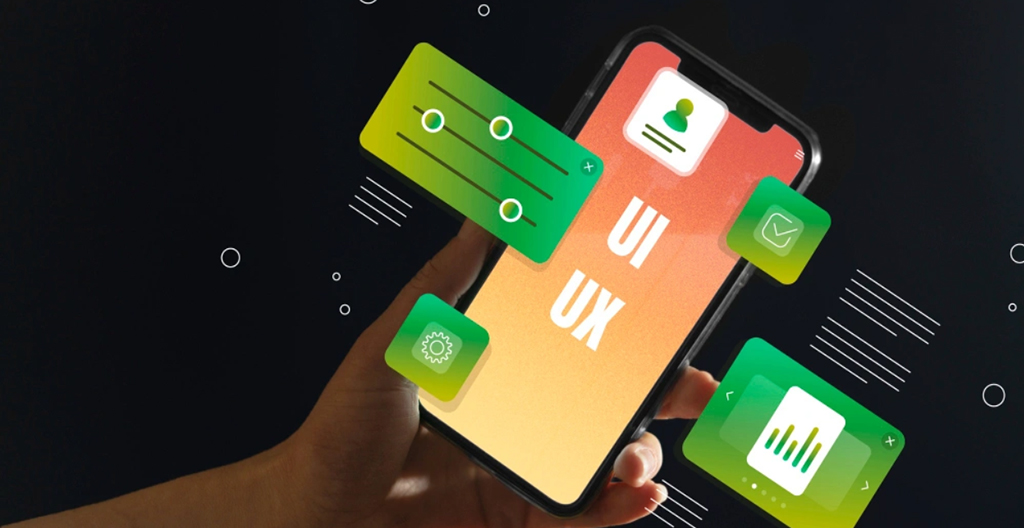
Modern UI/UX Design Trends Businesses Should Follow
In 2026, the success of digital products is increasingly defined by their user experience (UX) and user interface (UI) design. Businesses can no longer rely solely on functionality; users demand seamless, intuitive, and visually appealing digital interactions. Modern UI/UX design trends are reshaping how brands connect with their audiences, drive engagement and build loyalty.
Here’s a deep dive into the modern UI/UX trends businesses should follow to stay ahead.
1. Minimalistic and Clean Interfaces
Minimalism continues to dominate modern UI design. Clean, uncluttered interfaces make apps and websites more navigable and reduce cognitive load for users.
Key elements of minimalistic design include:
- Ample white space
- Simple typography
- Limited but impactful color palettes
- Focused content hierarchy
This trend not only improves aesthetics but also enhances usability, helping users accomplish tasks quickly and efficiently.
2. Dark Mode and Adaptive Themes
Dark mode has moved beyond aesthetics; it’s now about user comfort and accessibility. Many users prefer dark themes to reduce eye strain, especially during prolonged digital interactions.
Modern UI/UX designs in 2026 often include adaptive themes that automatically switch based on user preferences, ambient light, or system settings. Providing theme options enhances personalization and overall satisfaction.
3. Micro-Interactions for Enhanced Engagement
Micro-interactions are subtle animations or feedback mechanisms that guide users and make interfaces feel more interactive. Examples include:
- Button animations on hover or click
- Loading indicators
- Success notifications
These small details enhance usability, provide intuitive guidance, and make digital experiences more engaging without overwhelming users.
4. Voice User Interface (VUI) Integration
With the rise of voice assistants and smart devices, integrating voice user interfaces is becoming essential. VUI allows users to interact with apps hands-free, improving accessibility and convenience.
Businesses can leverage voice interfaces in:
- E-commerce apps for placing orders or searching products
- Productivity apps for hands-free commands
- Customer service platforms for quick query resolutions
Designing for voice requires a shift in thinking, focusing on natural language flow and intuitive prompts.
5. AI-Driven Personalization
AI is transforming UX by enabling hyper-personalized experiences. Apps and websites can now adapt content, layout, and suggestions based on user behavior, preferences and interactions.
Examples of AI-driven personalization include:
- Personalized dashboards in SaaS applications
- Product recommendations in e-commerce
- Tailored learning paths in educational platforms
Personalization improves engagement, satisfaction, and conversion rates, making AI an essential component of modern UI/UX.
6. 3D Elements and Immersive Design
3D design elements and immersive visuals are gaining popularity, adding depth and realism to digital interfaces. Modern UI/UX trends in 2026 include:
- 3D illustrations and icons
- Interactive 3D product previews
- Animated transitions and layered effects
These elements not only capture attention but also enhance the overall user experience by making interactions more engaging and visually appealing.
7. Accessibility-First Design
Accessibility is no longer optional; it’s a legal and ethical imperative. Modern UI/UX design prioritizes inclusivity, ensuring that digital products are usable by people of all abilities.
Key practices include:
- High-contrast color schemes
- Keyboard and screen reader navigation
- Text alternatives for images and multimedia
- Simplified language for clarity
Accessible design broadens your audience, improves usability and demonstrates social responsibility.
8. Minimal Loading Time and Performance Optimization
Speed is a crucial part of UX. Users expect fast, seamless experiences, and slow-loading interfaces lead to frustration and drop-offs.
Modern UI/UX design trends focus on:
- Optimized graphics and media
- Lazy loading for images and videos
- Streamlined animations
- Efficient code for faster rendering
A fast and responsive interface not only improves user satisfaction but also positively impacts search engine rankings.
9. Neumorphism and Soft UI
Neumorphism, also called soft UI, combines skeuomorphism and flat design to create interfaces that appear tactile and soft. Elements seem to rise from the background, offering a sense of depth and realism.
This trend emphasizes:1
- Subtle shadows and highlights
- Smooth gradients
- Minimal but interactive components
Neumorphism provides a fresh, modern aesthetic that enhances the visual appeal without compromising usability.
10. Motion Design and Storytelling
Motion design has evolved beyond decorative animation; it’s now a tool for storytelling and guiding users. Properly implemented motion can:
- Highlight key features
- Guide users through complex workflows
- Communicate brand personality
Businesses in 2026 are increasingly using micro-animations, page transitions, and scroll-triggered effects to create immersive, memorable experiences.
11. Mobile-First and Responsive Design
With mobile traffic dominating, designing for mobile-first is non-negotiable. Modern UI/UX trends emphasize:
- Optimized layouts for small screens
- Touch-friendly elements
- Fast load times on mobile networks
- Responsive design for tablets and desktops
Mobile-first design ensures consistent usability across devices, improving accessibility and engagement.
12. Data-Driven Design Decisions
UX design is increasingly informed by analytics. Businesses use user behavior data, heat-maps, and A/B testing to make informed design decisions.
Data-driven design helps:
- Identify pain points in user journeys
- Optimize navigation and workflows
- Increase conversions and engagement
In 2026, combining creativity with analytics ensures that UI/UX designs are not only attractive but also effective.
Conclusion
Modern UI/UX design in 2026 is about creating experiences that are intuitive, inclusive, and engaging. Trends like minimalism, dark mode, AI personalization, voice interfaces, 3D elements, and accessibility-first design are shaping the way businesses interact with users.
Staying updated with these trends ensures your digital products remain competitive, user-friendly, and future-ready. By prioritizing both aesthetics and functionality, businesses can deliver memorable experiences that foster loyalty, drive engagement, and achieve long-term success.