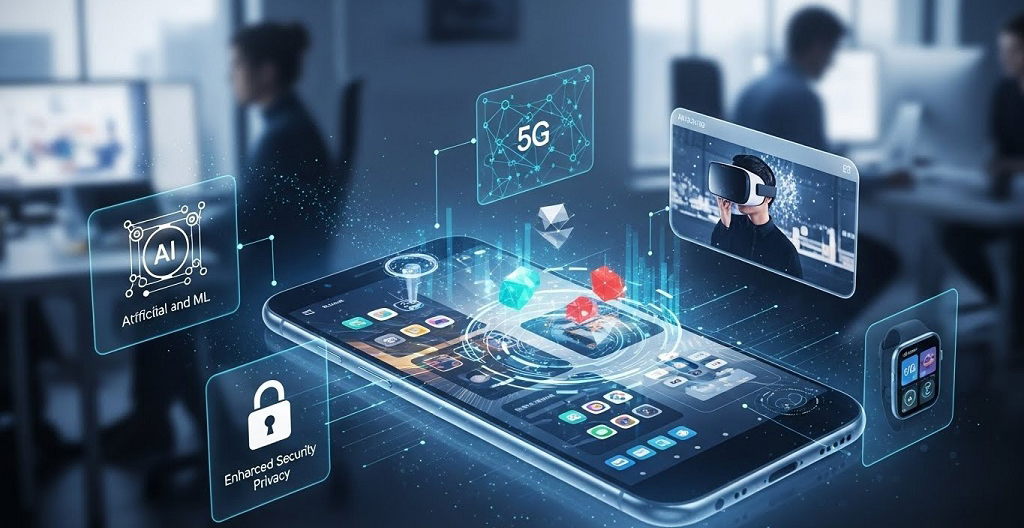
Top Trends in Mobile App Development You Can’t Ignore in 2026
The mobile app industry continues to evolve at a breakneck pace, with 2026 shaping up to be a year of transformative innovations. Businesses, developers, and tech enthusiasts must stay ahead of these trends to ensure their apps remain relevant, secure, and engaging. From the integration of artificial intelligence to cutting-edge UI/UX designs, mobile apps are no longer just tools they are experiences.
Here’s a closer look at the top mobile app development trends you cannot afford to ignore in 2026.
1. AI-Powered Mobile Apps
Artificial Intelligence (AI) is no longer a futuristic concept it has become central to mobile app development. From intelligent virtual assistants to predictive analytics, AI is enhancing personalization, improving user engagement, and streamlining business processes.
In 2026, expect apps that leverage AI to offer hyper-personalized experiences. For example, e-commerce apps can predict a customer’s next purchase based on browsing history, while health apps can provide real-time recommendations tailored to an individual’s lifestyle and habits. Developers are increasingly integrating machine learning algorithms, natural language processing, and chat-bots to make apps smarter and more intuitive.
2. Augmented Reality and Virtual Reality
AR and VR technologies are no longer confined to gaming they are transforming sectors such as retail, healthcare, and education. Mobile apps in 2026 will focus on creating immersive experiences that blend the physical and digital worlds.
Retail apps, for instance, will enable customers to “try before they buy” using AR, allowing them to visualize furniture in their homes or try on clothing virtually. Educational apps will employ VR to create interactive, hands-on learning environments, while healthcare apps will use AR for patient education and remote surgical simulations.
3. 5G Connectivity
The global rollout of 5G networks is accelerating, and mobile app development is set to benefit immensely. Faster speeds and lower latency mean apps can offer real-time experiences that were previously impossible.
Video streaming apps, live gaming platforms, and IoT connected apps will perform seamlessly, opening doors to new forms of interactivity. App developers will optimize performance to leverage 5G, enabling ultra-fast downloads, higher-quality video content, and smoother augmented reality experiences.
4. Cross-Platform Development
Businesses are increasingly seeking cost-effective solutions to reach wider audiences, making cross-platform development a key trend. Frameworks like Flutter and React Native enable developers to write a single codebase that works across multiple operating systems.
In 2026, the demand for cross-platform apps will continue to rise as companies aim to reduce development costs, shorten time-to-market, and maintain consistent user experiences across devices. The trend also encourages rapid prototyping and faster updates, allowing apps to stay competitive in fast-moving markets.
5. Enhanced App Security
With cyber threats on the rise, mobile app security remains a top priority. Apps now handle sensitive user data, from financial information to personal health records, and developers must implement robust security measures.
Expect advanced security protocols in 2026, such as biometric authentication, AI-driven threat detection, and end-to-end encryption. Regulatory compliance, including GDPR and local data protection laws, will also continue to influence app design, ensuring user trust and safeguarding brand reputation.
6. Voice-Activated Interfaces
Voice technology is changing how users interact with apps. Voice assistants like Siri, Google Assistant, and Alexa are already popular, and apps in 2026 will increasingly incorporate voice-activated features.
Voice interfaces offer convenience and accessibility, enabling users to perform tasks hands-free. E-commerce apps can process voice commands to place orders, while navigation and fitness apps can respond to spoken queries in real time. Optimizing apps for voice search and commands will enhance user experience and engagement significantly.
7. Internet of Things (IoT) Integration
IoT is bridging the gap between apps and connected devices, creating smarter ecosystems. Mobile apps in 2026 will increasingly integrate with wearables, smart home devices, and industrial IoT solutions.
For consumers, this could mean controlling home appliances, monitoring health metrics, or tracking daily activities from a single app. For businesses, IoT-enabled apps can optimize logistics, monitor machinery, and enhance operational efficiency. Developers will focus on interoperability, real-time data processing, and secure communication between devices and apps.
8. Mobile Commerce Evolution
The rise of mobile commerce (m-commerce) continues to reshape retail, banking, and services. In 2026, mobile apps will go beyond simple transactions to offer fully integrated, seamless shopping experiences.
Features like one-click payments, AI-driven recommendations, AR try-ons, and loyalty program integration will dominate. Additionally, apps will focus on secure digital wallets, cryptocurrency support, and innovative fintech solutions, making mobile transactions faster, safer, and more intuitive than ever.
9. Minimalistic and Adaptive UI/UX
User expectations are higher than ever. Modern users prefer apps that are intuitive, fast, and visually appealing. In 2026, minimalistic and adaptive UI/UX design will be essential for retaining users.
Developers will focus on clean interfaces, smooth navigation, and adaptive layouts that work across all screen sizes and devices. Micro-interactions, dark mode options, and dynamic animations will enhance user engagement without overwhelming the experience.
10. Sustainable and Green App Development
Sustainability is no longer optional. Users and businesses alike are conscious of digital carbon footprints, prompting developers to build more energy-efficient apps.
Green app development includes optimizing code for lower energy consumption, reducing server load, and leveraging eco-friendly hosting solutions. In 2026, sustainable mobile apps will appeal to environmentally conscious users and reflect a brand’s commitment to responsible technology practices.
Conclusion
Mobile app development in 2026 is defined by innovation, personalization, and immersive experiences. AI, AR/VR, 5G, IoT, and security advancements are shaping the future of apps, while minimalistic design and sustainable practices are redefining user expectations.
For businesses and developers, staying updated with these trends is not just about technology it’s about creating meaningful, secure, and memorable experiences that users can’t ignore. By embracing these trends, you can ensure your apps remain competitive, future-ready, and impactful in a rapidly evolving digital landscape.